
Dealing with water damage is stressful enough without the added confusion of insurance claims. Many homeowners feel overwhelmed when trying to understand what their policy covers and how the claims process works.
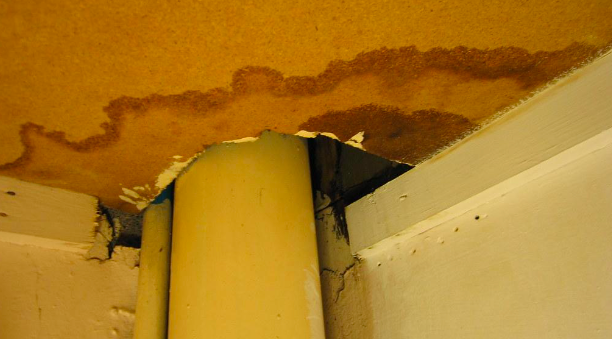
How Insurance Claims Work for Water Damage
Fortunately, knowing the basics of insurance claims for Oahu water damage can help you move forward with confidence and avoid unnecessary delays.
Understanding the Source of the Water Damage
Insurance coverage often depends on how the water damage occurred. Sudden and accidental events, such as burst pipes or appliance malfunctions, are usually covered. In contrast, damage caused by gradual leaks or poor maintenance may not qualify.
Because of this, insurance adjusters focus heavily on the source of the water. Therefore, identifying and documenting the cause early plays a major role in claim approval.
Reviewing Your Policy Before Filing a Claim
Before contacting your insurance provider, it helps to review your policy carefully. Homeowners insurance policies typically outline covered perils, exclusions, and coverage limits. While this step may seem tedious, it prevents surprises later in the process.
Additionally, understanding your deductible helps you estimate out-of-pocket costs. As a result, you can make informed decisions about moving forward with a claim.
Filing the Claim and Notifying Your Insurer
Once water damage occurs, prompt notification is essential. Most insurers require policyholders to report damage as soon as possible. Delaying the claim may raise questions about whether the damage worsened over time.
During this stage, insurers usually ask for basic information, including when the damage occurred and what areas were affected. Providing accurate details helps move the process along smoothly.
Documenting the Damage Thoroughly
Documentation is one of the most important steps in a successful water damage claim. Photos and videos of affected areas, damaged belongings, and standing water provide clear evidence.
In addition, keeping records of repair estimates, invoices, and temporary fixes strengthens your claim. This documentation helps insurers understand the full scope of the damage and supports fair compensation.
What Water Damage Is Typically Covered
In many cases, insurance policies cover water damage caused by sudden internal issues. This often includes burst pipes, overflowing appliances, or accidental leaks. Coverage may extend to repairs, drying, and damaged personal belongings.
However, flooding from external sources usually requires separate flood insurance. Because policies vary, confirming coverage details with your insurer is always a smart move.
What Is Commonly Excluded from Coverage
While insurance offers valuable protection, it does not cover everything. Gradual damage from neglected maintenance, ongoing leaks, or mold caused by long-term moisture is often excluded.
Additionally, sewer backups and groundwater intrusion may require optional endorsements. Understanding these exclusions helps set realistic expectations and avoid claim disputes.
Working with Adjusters and Restoration Professionals
After filing a claim, an insurance adjuster typically inspects the property. Their assessment determines coverage eligibility and payout amounts. Being present during inspections allows you to ask questions and clarify concerns.
Many homeowners also work with professional restoration companies that assist with documentation and communicate directly with insurers. This collaboration often speeds up approvals and ensures proper repairs.
Conclusion: How Insurance Claims Work for Water Damage
Water damage insurance claims do not have to be overwhelming. By understanding your policy, acting quickly, and documenting everything carefully, you can navigate the process with greater ease. Knowing what is typically covered and what is excluded helps you prepare for each step. With the right approach, insurance can provide meaningful support during a stressful situation and help restore your home efficiently.

Recent Comments